
NHTSA Widens Exemptions to Speed Autonomous-Vehicle Deployment
In an effort to accelerate the commercialization of self-driving cars, the National Highway Traffic Safety Administration (NHTSA) has broadened its exemption authority, allowing more prototype and limited-production autonomous vehicles (AVs) to operate on public roads without meeting certain traditional safety standards. Under the updated policy, companies can request waivers for up to 2,500 vehicles per manufacturer per year—double the previous cap—and for a wider range of equipment requirements, including instrument panels, mirrors, and steering controls. By easing these regulatory constraints, NHTSA aims to foster real-world testing at scale, gather crucial safety data, and encourage investment in next-generation mobility solutions. The move also rekindles debates over the balance between innovation and public safety, as critics warn that reduced oversight could expose road users to unproven technologies. As AV developers prepare to deploy fleets in urban and suburban environments, the expanded exemptions will shape the trajectory of autonomous driving, potentially bringing fully driverless services closer to everyday reality.
Expanded Waiver Limits and Covered Standards
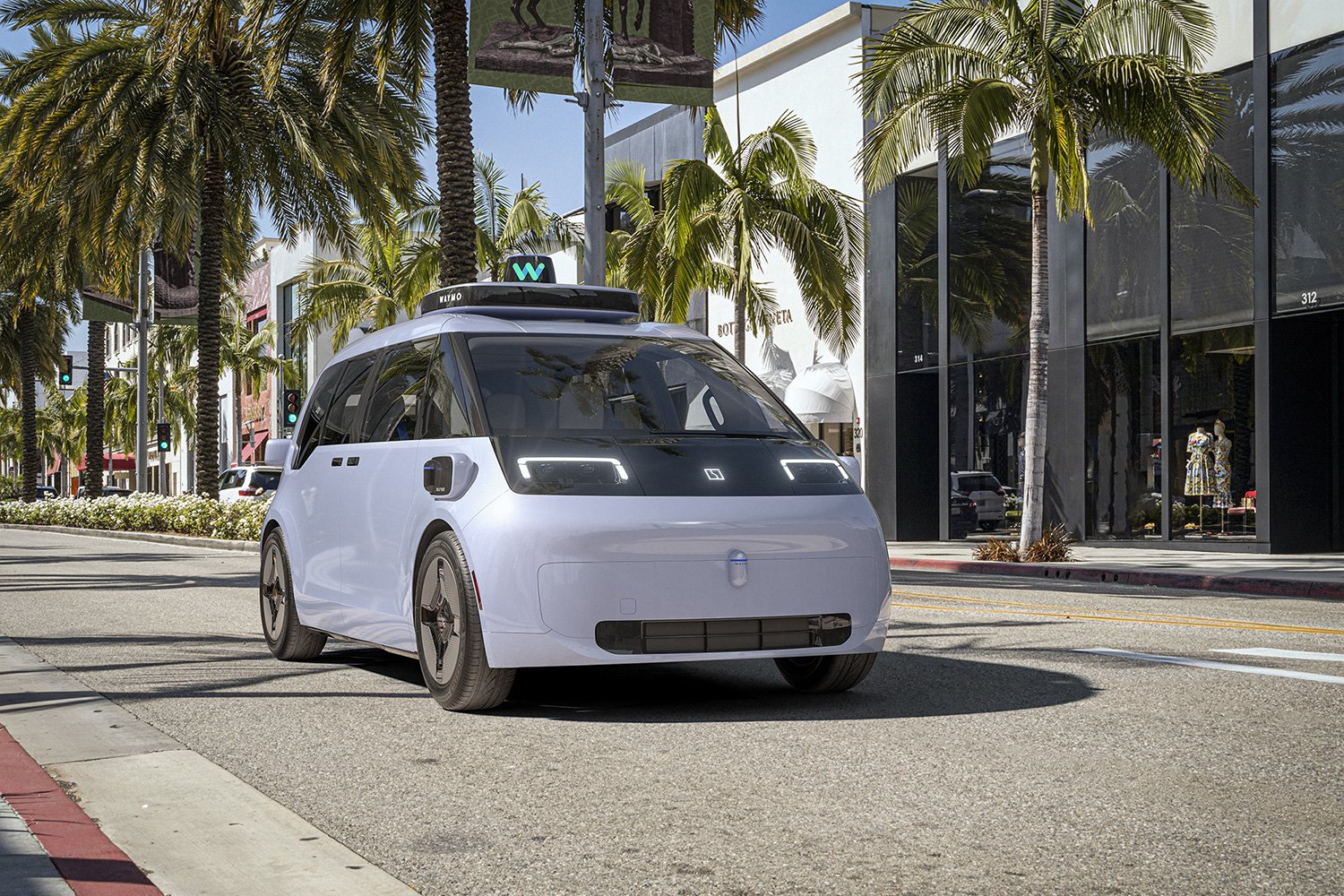
Previously, NHTSA’s exemption program allowed each AV manufacturer to deploy up to 1,000 non-compliant vehicles annually, limited to core safety standards such as braking, steering, and airbags. The new rule increases that cap to 2,500 vehicles per year, reflecting confidence that larger test fleets will produce more comprehensive operational data. Moreover, the scope of permissible waivers now extends beyond basic safety equipment to include exemptions from requirements for windshield wipers, rearview mirrors, and even speedometer readouts—features AV proponents argue are redundant when advanced sensors and digital displays handle those functions. Manufacturers can petition for exemptions on a case-by-case basis by demonstrating that the proposed design or omission will not meaningfully reduce overall safety. In their applications, companies must provide detailed engineering analyses, simulation results, and risk-mitigation plans. NHTSA will also require transparent reporting of disengagements, system failures, and any incidents, enabling the agency to monitor real-world performance and adjust conditions as needed. By fine-tuning the exemption process, regulators believe they can accelerate learning cycles without sacrificing fundamental roadway safety.
Implications for Real-World AV Testing
With higher exemption limits, AV developers can now deploy larger fleets across diverse geographies, weather conditions, and traffic environments. This scale is vital for training machine-learning models to handle rare or complex scenarios—such as emergency vehicle interactions or pedestrian jaywalking—and for stress-testing redundancy systems under heavy usage. Companies like Waymo, Cruise, and Aurora have already operated hundreds of self-driving prototypes in select cities; the expanded waivers will enable them to broaden their footprints, cover new metropolitan areas, and introduce more varied vehicle types, including light trucks and delivery vans. Enhanced access to public roads at scale also facilitates partnerships with carmakers and logistics firms seeking to integrate AV technologies into production fleets. Real-world data on miles driven, disengagement rates, and environmental factors will inform both technical refinements and regulatory decisions. By fostering a data-rich testing ecosystem, NHTSA hopes to shorten the timeline for defining performance benchmarks, safety thresholds, and eventual path-to-market criteria for driverless vehicles.
Safety Oversight and Reporting Requirements
Although the new policy relaxes certain equipment mandates, NHTSA emphasizes that robust oversight remains intact. Manufacturers must submit quarterly reports that include detailed metrics on collisions, disengagements, and system anomalies, alongside contextual data such as roadway type, weather, and traffic density. The agency retains authority to impose additional conditions—such as geographic restrictions or maximum operating speeds—if a company’s safety record raises concerns. NHTSA can also revoke exemptions retroactively should serious safety deficiencies emerge. To enhance transparency, the agency plans to publish aggregated, anonymized safety data, enabling researchers, consumer advocates, and local governments to assess AV performance. In addition, NHTSA will convene periodic public workshops, inviting feedback on emerging technologies, best practices, and risk-management strategies. By coupling greater deployment freedom with stringent data collection and analysis, regulators aim to strike a balance that encourages innovation while preserving accountability.
Industry Response and Competitive Dynamics
AV developers have largely welcomed the expanded exemptions as a necessary step to scale testing and attract investment. Executives cite the ability to deploy more vehicles and iterate more rapidly on software updates as vital for refining perception algorithms and decision-making logic. They also highlight that removing redundant hardware requirements lowers production costs and accelerates time to road testing. Traditional automakers and Tier 1 suppliers, many of whom are partnering with AV startups, see the policy as an opportunity to validate new business models—such as subscription-based driverless taxi services and autonomous delivery fleets—without enduring protracted certification processes. However, smaller companies express concerns that larger players with deeper pockets will dominate exemption slots, potentially stifling competition. To address this, NHTSA is exploring a tiered exemption allocation or expedited review pathways for emerging firms. Nevertheless, the widened waivers mark a pivotal shift in the AV landscape, intensifying the race toward operational autonomy and potentially hastening the emergence of driverless mobility services.
Public Acceptance and Policy Debates
Despite industry enthusiasm, public sentiment remains mixed. Proponents argue that expanded testing is essential to uncover edge-case failures and validate safety improvements, ultimately leading to reduced traffic fatalities and greater mobility access for underserved populations. Critics counter that loosening equipment standards diminishes safeguards and could expose road users—both inside and outside AVs—to untested technologies. Concerns also focus on cybersecurity vulnerabilities, data privacy, and the ethical implications of AI-driven decision making in life-or-death situations. Lawmakers in several states have called for companion legislation to ensure local oversight, while consumer-advocacy groups demand strict liability frameworks and mandatory safety validations before wide-scale deployment. The debate underscores the need for a cohesive federal-state regulatory strategy that accommodates innovation while addressing community standards, infrastructure readiness, and public trust.
Path Forward and Long-Term Outlook
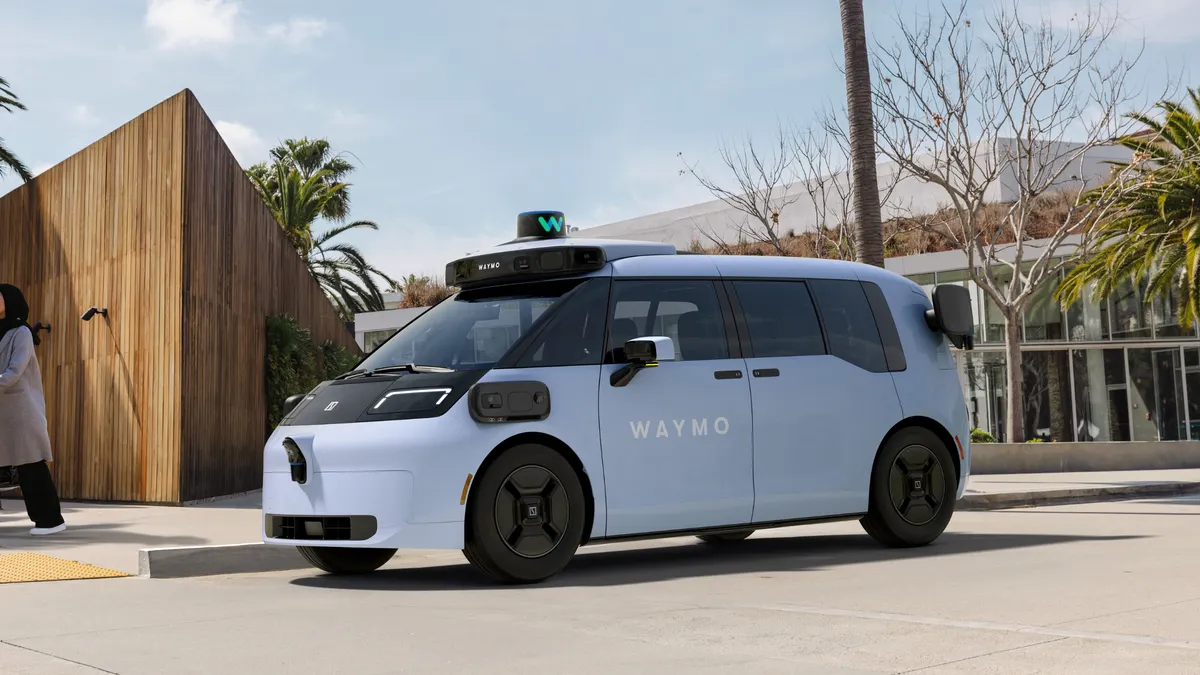
As NHTSA’s expanded exemptions take effect, the next 12 to 24 months will be crucial for evaluating their impact. Key indicators will include changes in AV deployment patterns, safety incident rates, and the diversity of testing environments. Should the policy prove effective, NHTSA may consider further refinements—such as raising the annual exemption cap or streamlining application procedures for proven safety performers. Conversely, any uptick in serious incidents could prompt tighter conditions or reinstatement of certain equipment requirements. Ultimately, the success of this initiative hinges on a data-driven approach: robust reporting, transparent analysis, and adaptive regulation that responds to real-world outcomes. If balanced wisely, the widened exemptions could accelerate the arrival of safe, reliable autonomous vehicles, deliver substantial societal benefits, and solidify the United States’ leadership in self-driving technology.